
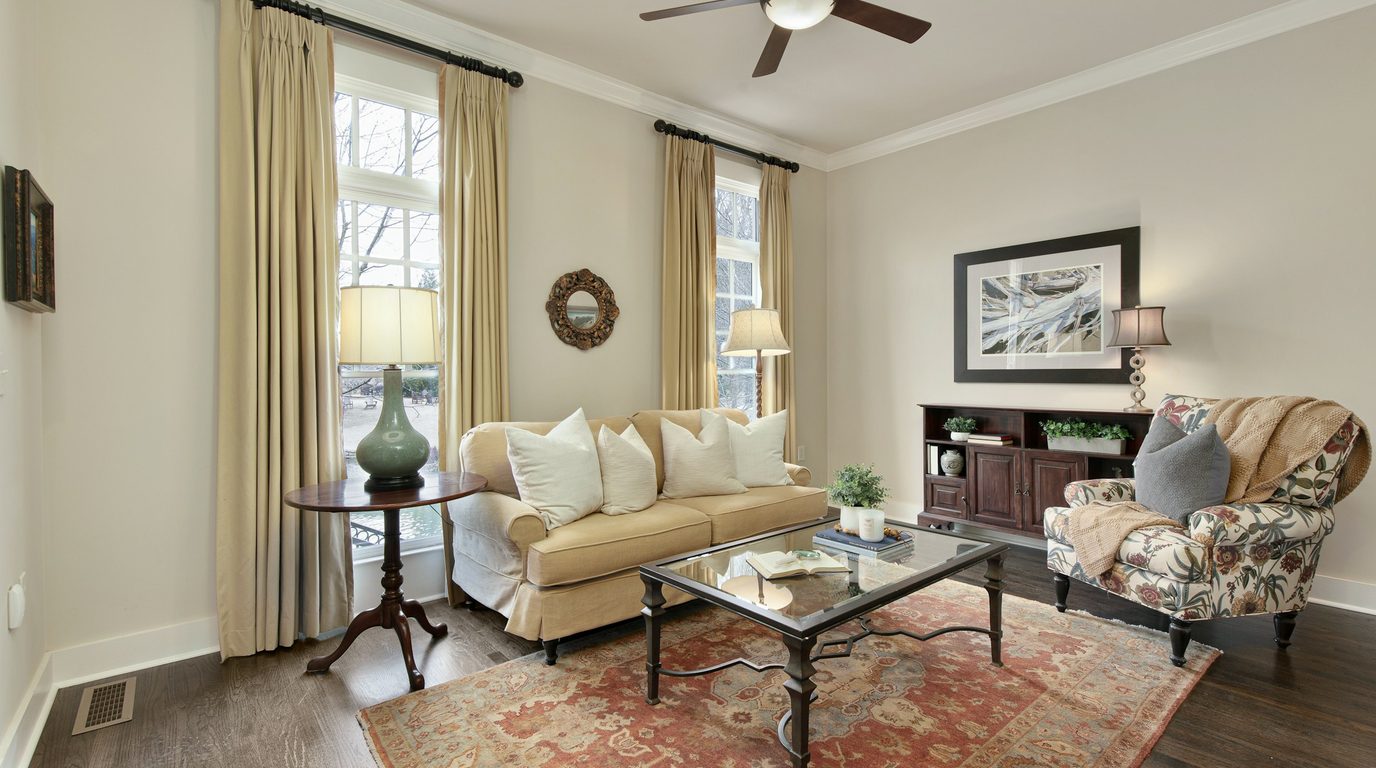
When you are getting ready to sell a home you have lived in for years, one word comes up again and again: staging. It can sound like an expensive production, something reserved for glossy listings and big budgets. It is not. Good staging for a senior home sale is mostly about presenting what you already have in its best light, and the pieces that matter most cost very little. Here is what actually helps a home sell, what to skip, and how staging fits naturally with the downsizing you are already doing.
Staging is not renovation
Let us clear up the biggest misunderstanding first. Staging is not remodeling, and it does not mean buying new furniture. It is arranging, editing, and cleaning what you already have so that buyers can picture themselves living there. The goal is to help a buyer see the home’s space and light and potential, not to dazzle them with expensive finishes.
This is good news for your budget, because the staging that pays off most is also the least expensive. A dated but beautifully presented home very often shows better than a nicer one that is cluttered and dim. So resist the urge to pour money into big changes. The highest-return work is simple, and you can do most of it yourself or with a little help.
The high-impact basics
Four things do more for a sale than any costly upgrade, and none of them require a contractor:
- Declutter. Open, uncrowded rooms feel larger and let buyers imagine their own things in the space. This is the same work you need to do to move, so it does double duty.
- Depersonalize. Pack away most family photos and very personal items. It is not that they are not lovely. It is that buyers need to picture their life in the home, not yours.
- Let the light in. Open the curtains, add a lamp to dim corners, replace burned-out bulbs. Bright rooms feel bigger and more cheerful, and cheerful sells.
- Clean, deeply. A spotless home signals a cared-for home. Fresh, neutral, and clean beats new-but-messy every single time.
That is the heart of staging. Everything else is a refinement on these four.
If there is one small investment worth making, it is a fresh coat of paint in a soft, neutral color for any room that has gone bold or dated. Paint is inexpensive, it makes a home feel clean and current, and it photographs beautifully. Beyond that, spend carefully. Most other upgrades simply do not return their cost when a home is priced right to begin with, so put your energy into presentation, not renovation.
Room by room: where staging pays off
If you want to spend your energy where buyers actually look, a few rooms carry more weight than the rest. In the kitchen, clear the counters down to a few simple things and wipe the cabinet fronts. In the living areas, thin out the furniture so rooms feel open and easy to move through. In the main bedroom, aim for simple and restful: a made bed, minimal furniture, room to breathe. Keep the bathrooms spotless, with fresh towels and clear counters.
And do not forget the entry and the curb, because first impressions start before a buyer walks in. A tidy walkway, a clean front door, and a welcoming entry set the tone for everything after. Meanwhile, do not lose sleep over the corners no one studies. Staging is about the spaces buyers linger in, not perfection everywhere.
Staging while you still live there
Here is the part no one warns you about: you have to keep the home showing well while you are still living in it. It sounds exhausting, and it can be, but a simple routine makes it manageable. Keep a short showing-ready checklist, clear counters, make the beds, empty the trash, and store the excess in labeled boxes, which you are already packing for the move anyway.
Give yourself grace here, too. You do not have to live in a museum. And you do not have to do it all yourself. A move-management or cleanout team can haul away and store the excess, handle the heavy sorting, and keep the home camera-ready without turning your daily life upside down. It is temporary, and there is help for it.
It also helps to get a second set of eyes before you list. We grow so used to our own homes that we stop seeing them, and a quick walk-through with someone who sells homes for a living will spot the easy wins you have gone blind to: a lamp that would brighten a dim corner, a chair that is crowding a room, a shelf that would show better nearly empty. Small adjustments, real difference.
How staging and the downsizing sort work together
Here is the best news of all: staging and downsizing are really the same job. The decluttering that stages your home is the very same sorting you need to do to move. So rather than clearing the house to stage it, and then clearing it again to pack, do it once, with intention. Sort toward your new, smaller space, and the home stages itself as it empties.
Empty surfaces photograph beautifully. Open closets look spacious. And because every box you clear moves you closer to your next home, you finish the listing prep already halfway packed. One effort, two wins. You do not have to figure staging out alone. Talk with Addison, our Seniors Real Estate Specialist, about a simple staging plan for your home and market, and let our team carry the sorting and cleanout so the home shows its best without disrupting your days.