
Sensitive situations
Help with hoarding, without judgment
If someone you love is living in a home that has filled up over the years, you may be carrying worry, frustration, and uncertainty about what to do next.
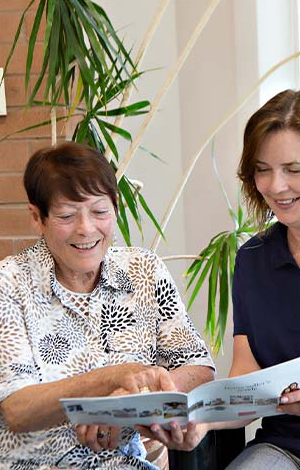

You are not alone in this
Patience works where pressure does not
Hoarding is more common than many families realize, and these situations can be complicated and emotional. What may look like clutter to someone else can hold meaning for the person living with it. Our job is not to judge how the home got here. Our job is to help you move forward.
A home affected by hoarding cannot be approached like an ordinary cleanout. Decisions can be difficult, and simply removing everything may not be the right answer. We work patiently, build trust, and create a plan that respects both the person and the situation. That is the approach Smooth Transitions brings.
Why a well-meaning cleanout can backfire
When a home has become overwhelming, the natural instinct is often to fix everything quickly. But removing belongings before someone is ready can create more distress and make the process even harder. Sometimes slowing down at the beginning allows us to make much better progress later. Patience, trust, and experience matter.
We start with something simple: it is not just trash. It is someone’s life, and often someone’s struggle.
That is how we treat the belongings, and more importantly, how we treat the person.
How we help, step by step
We start by listening, not sorting
We start by listening. We learn what matters to the person, what the family hopes to accomplish, and what needs attention first. Then we begin working through the home carefully: keeping what matters, finding the best options for what can be passed along, and thoughtfully clearing what remains. The goal is progress without taking away the person’s sense of control.
When safety or a deadline is involved
Sometimes there isn’t the luxury of time. A safety concern, health change, move, or home sale may mean decisions need to happen quickly. We adjust the plan to the situation, balancing what needs to be accomplished with as much patience and dignity as circumstances allow.
Dignity first, always
There is no shame in how a home reached this point. We meet people where they are and help them move forward from there. Our goal is to reduce the overwhelm, preserve a sense of control, and create a safer, more comfortable home while treating everyone involved with dignity and respect.
You do not have to face this alone
Whether the goal is to make the home safer and more comfortable or to prepare for a move or sale, you don’t have to figure it all out on your own. Reach out to us. We’ll listen, talk through what’s happening, and help you decide what comes next.
Questions families ask
Before you call
Is this hoarding, or just a lot of clutter?
There is no clean line between the two, and the label matters far less than whether the home is safe and the person is struggling. If belongings are blocking doorways or stairs, covering beds or the stove, or causing enough shame that visitors are never invited in, it is worth getting help regardless of what you call it.
Can you clear the house while they are out?
We will not, and we would gently ask you not to arrange it with anyone else either. Clearing a person's home without their knowledge tends to do lasting harm: it breaks trust, deepens the anxiety underneath, and the home usually fills again. The approach that holds is the one the person is part of, even when it is slower.
Will you make them throw things away?
No. Nothing leaves the house without their agreement. Items go one of three ways, kept, passed on to someone who will use them, or donated and cleared, and each of those is a decision they make rather than one made for them.
How long does it take?
Longer than an ordinary cleanout, and the pace depends far more on the person than on the size of the house. Some homes move room by room across several weeks. What sets the timeline is how quickly decisions can be made without pressure, which is not something worth rushing.
What does it cost?
It depends on the size of the home, how much is leaving, and how much time a workable pace requires. We will walk the home with you and give you a clear picture before anything begins, so there are no surprises partway through.
What if they refuse help entirely?
That happens often, and pushing harder rarely changes it. What tends to open a door is starting smaller than you would like: one room, one afternoon, one specific problem such as a blocked exit. Reach out and we can talk through where the opening might be in your situation.