
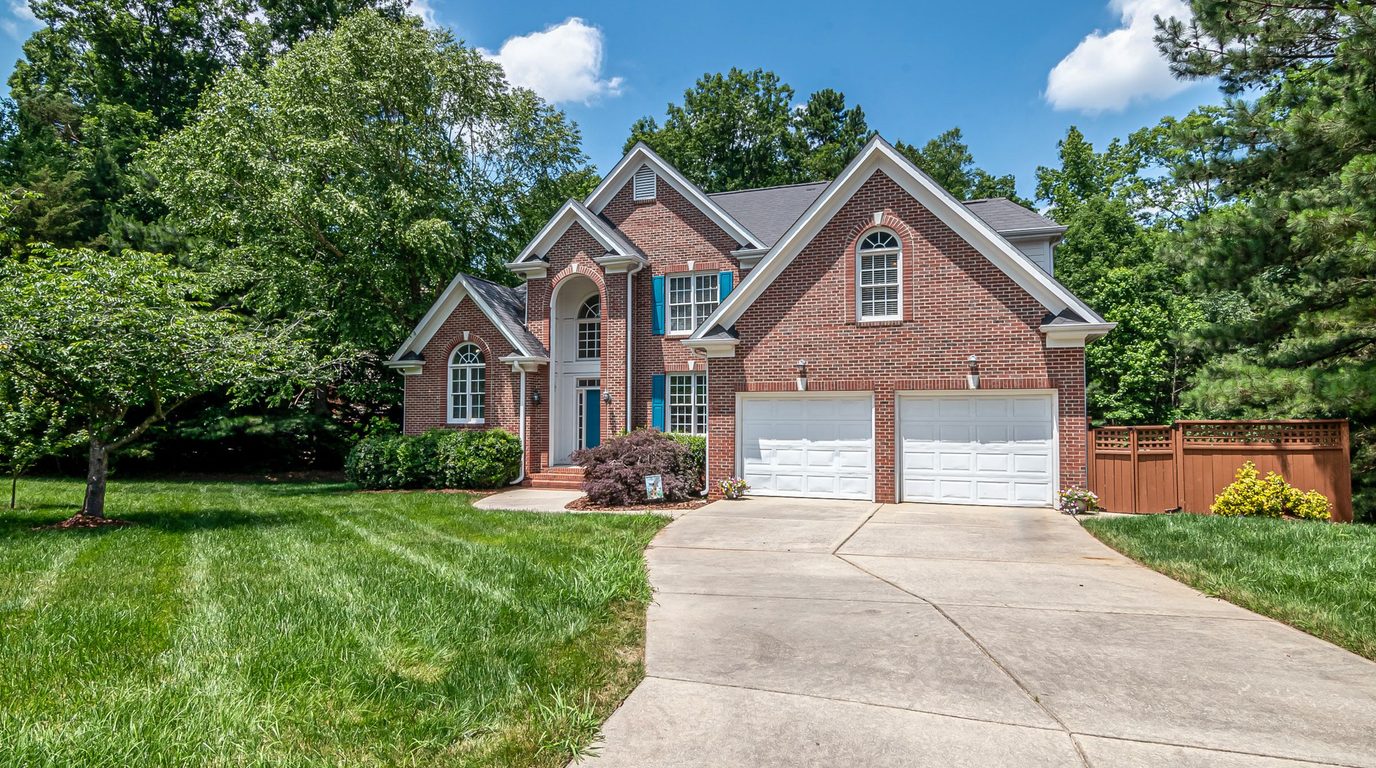
One of the first questions on every seller’s mind is a simple one: what is my home worth? It is a fair question, and an important one, because the price you set shapes everything that follows. For a home you have lived in for decades, though, the honest answer is rarely the number an online tool gives you. Here is a plain-language look at how a home’s value is really determined, why pricing it right matters more than chasing the highest number, and how to get a true read on yours.
Why online estimates miss the mark
The instant estimates you get from real estate websites are tempting, and they are a fine place to start a daydream. But they are built by an algorithm working from public records and broad averages, and an algorithm has never walked through your home. It cannot see the kitchen you updated, the addition you added, the condition of the roof, or the quiet street that makes your block more desirable than the one a mile away.
For a home held a long time, that gap can be wide, and it can miss in either direction. Sometimes the tool guesses low and sells you short. Sometimes it guesses high and sets you up for disappointment. Either way, it is a starting point, not an answer. The mistake to avoid is anchoring your hopes, or your budget for the next chapter, to a number a computer produced from a distance.
What actually sets your price
The real answer comes from a comparative market analysis, or CMA. It is less complicated than it sounds. A local agent looks at homes near you that are genuinely comparable in size, age, and condition, and that have actually sold recently, then adjusts for the differences between those homes and yours. On top of that goes a read on today’s market: how quickly homes are selling, how many are for sale, and how strong buyer demand is right now.
A few things carry real weight in that analysis. The condition of the home and the updates you have made over the years, a newer roof or windows, a renovated kitchen or bath. The location, right down to your specific street and lot. And the honest comparison to what similar homes nearby have just sold for, not what they were listed at, but what buyers actually paid. A dated but well-kept home and a fully renovated one on the same street will not carry the same price, and a good analysis reflects that plainly rather than papering over it.
The difference is that a CMA is grounded in what buyers are truly paying at this moment, for homes like yours, in your area. This is where local knowledge earns its keep, and it is why the number is worth getting from a person who knows the market, not from a screen.
Pricing to sell, not to sit
It is natural to want to price high and leave room to negotiate. In practice, that often backfires. An overpriced home sits. Buyers notice, showings slow, and the listing goes stale. Then come the price cuts, and a home that has been reduced twice can end up selling for less than if it had been priced right from the very first day.
The strongest buyer interest almost always comes in the first couple of weeks a home is on the market, when it is fresh and every active buyer sees it at once. Pricing it correctly captures that attention while it is highest, sometimes drawing more than one interested buyer, which is the situation that can actually push the price up. An overpriced home, by contrast, quietly teaches buyers to skip it, and by the time the price is finally right, the early interest is gone.
Pricing right is not the same as pricing low. It means pricing where the market really is, so the home sells in good time and for its true value. And if you are coordinating a move, a home that sits is also one you may be paying to hold while your next place waits, so the cost of chasing an unrealistic number is not just patience, it can be real money.
How valuation fits the whole move
Your home’s value is not just a number on a page. It is the budget for your next chapter. What the home brings shapes what is realistic in your search, whether that is a smaller home, a 55+ community, or a move closer to family. That is why a good valuation should come early, before you have fallen in love with a next place, so the math behind your options is real from the start.
It should also be coordinated with the rest of the move. When the valuation, the sale, and the move sit on one plan, you can see the whole picture: what your home will bring, what your next place will cost, and how the timing lines up. That is the difference between guessing and knowing, and it takes a great deal of worry out of the decision.
You do not have to be ready to list
Here is something many people do not realize: a valuation is just information, and getting one commits you to nothing. You do not have to be ready to sell, or even close to it. Plenty of families ask for an honest read on their home a year or more before they make a move, simply because knowing the number helps them plan with confidence instead of guesswork.
Think of it as one more fact on the table, alongside what a community might cost or what your timeline looks like. There is no pressure that comes with it, and there is a lot of peace of mind. When the number is real, the whole decision feels less like a leap in the dark.
Get a free, no-pressure home valuation
If you are even beginning to wonder what your home might bring, the simplest next step is an honest number. We offer a free, no-obligation home valuation, a real analysis of your home and your local market, not an algorithm’s guess. There is no pressure to list and no obligation of any kind. Just a true read on your home’s value and what it means for your options.
As part of it, we will also tell you honestly whether anything is worth doing to the home to help the price, and which things to skip, and how the sale would fit with your move. Talk with Addison, our Seniors Real Estate Specialist, or reach out to our team for your free valuation whenever you are ready. When it is time for hands-on help with the move itself, the Smooth Transitions team handles the rest.